


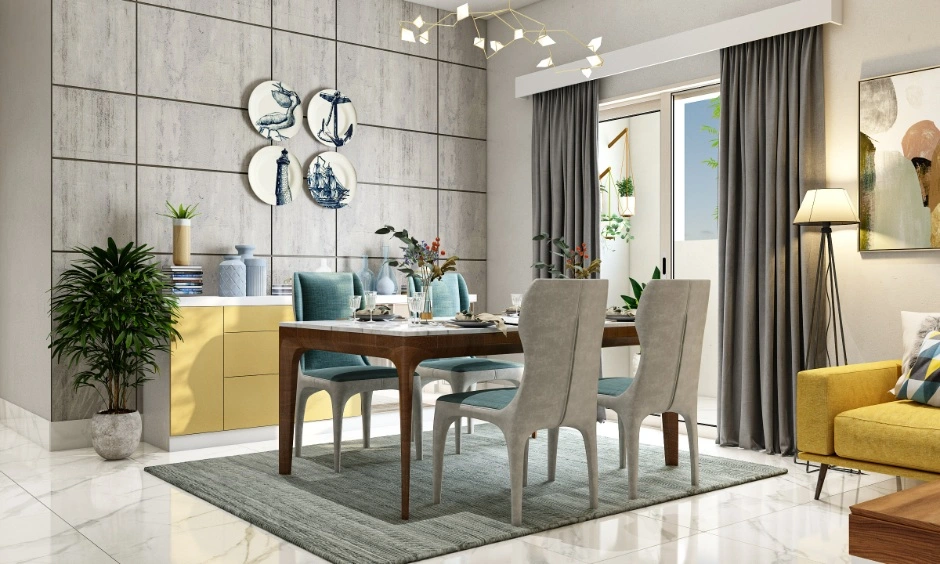
Discover the magic of interior design finishes that transform your home into a masterpiece. From textures to materials, learn how to create stylish, functional, and personalised spaces effortlessly!
Have you ever walked into a room and thought, “Wow, this looks amazing, but I just can’t pinpoint why?” The secret usually lies in the details. More specifically, it lies in the interior finishes. Choosing the right top layer for your walls, floors, and cabinets can completely transform a bland space into a stunning masterpiece.
If you are currently staring at a massive pile of material samples and feeling completely overwhelmed, hold on.
We are here to help you navigate the world of interior finishing. By the end of this guide, you will understand exactly how to mix and match different finishing materials like a seasoned pro. Read on and give your home the beautiful top coat it deserves.

Why Interior Design Finishes Matter?
You might think that picking a sofa or a dining table is the most important part of decorating. However, interior finishes actually set the entire stage for your furniture. They dictate the mood, the light reflection, and the overall vibe of the room. Finishes bridge the gap between structural necessity and visual intent
Beyond just looking pretty, interior finishing materials serve a highly practical purpose. They protect your underlying structural materials from moisture, dirt, and daily wear and tear. A great floor finish, for example, prevents your beautiful hardwood from getting destroyed by pet claws and spilt coffee. Good interior finishing saves you money on future repairs.
Types Of Interior Design Finishes
Interior finishes refer to the final visible surfaces in your room. To make it easy, let us break them down into the main architectural categories:
- Wall Finishes: This includes everything from classic eggshell paint and bold wallpaper to textured plaster and wood panelling. These finishes dictate the colour story of your space.
- Floor Finish: Your options here range from glossy polyurethane on hardwood to matte porcelain tiles, cosy carpets, and polished concrete. A durable floor finish is crucial for high-traffic areas.
- Ceiling Finishes: Do not forget to look up. Ceiling finishes can include flat matte paint, tin tiles, exposed beams, or even high-gloss lacquer for a dramatic effect.
Expert Tip: To make a room feel taller, choose ceiling finishes that reflect light, like a satin paint or a subtle pearlescent glaze. It instantly draws the eye upward.

Interior Finishes By Material Type
Every material in your home requires a specific treatment to look its best.
Let us look at how different materials are finished across your space:
- Wood: Protecting natural timber is essential. Popular wood finishing materials include stains, varnishes, oils, and waxes. A good wood finish brings out the natural grain and adds warmth to your room.
- Cabinetry: Kitchen and bathroom cabinets often use painted, stained, or thermofoil finishes.
- Metal And Hardware: Faucets, cabinet pulls, and light fixtures come in various metallic finishes like brushed nickel, polished brass, matte black, and oil-rubbed bronze.
- Fabric: Upholstery finishes include stain-resistant treatments and a range of textures, such as velvet, linen, and performance fabrics.
Trending 3BHK Interior Designs
Finish Textures And Their Effect
The texture of your finishing materials drastically changes how a room feels. It is all about how light interacts with the surface.
- Matte: These surfaces absorb light. A matte wood finish hides scratches and dust beautifully, making it perfect for busy households.
- Satin or Eggshell: A happy medium. It offers a subtle sheen that is easy to wipe clean, making it a popular choice for living room wall finishes.
- Glossy/High-Gloss: These highly reflective surfaces bounce light around the room. They look glamorous but will show every single fingerprint and smudge. High-gloss surfaces maximise light bounce but demand higher maintenance in high-touch zones
